

 List of Articles

 Search by Area
 Book your trip
 Tour
 Local Experience
 Rental Car
 Hotels
 Golf
 VILLA
 Search articles
 Tour search
Local tourism professionals recommend these must-try foods in Eastern Hokkaido! | East Hokkaido Food Trail (PR)
-

- Post
-

- Last updated: September 10, 2018
 Table of contents
1. Crabs after the sea opens (Abashiri, Monbetsu, etc.)
2: Kinki fish caught in Abashiri
4: Kitami onions and grilled meat

Hokkaido is the number one most popular destination for domestic travel and gourmet trips. In particular, the eastern Hokkaido area, with its vast natural landscapes, is said to be a treasure trove of ingredients.
However, Hokkaido is a vast place. Many people probably feel overwhelmed by the sheer number of options, wondering where to eat what, and when certain foods are at their best.
Therefore, this time, we will introduce seven must-try foods recommended by tourism professionals.
Table of contents
1: Crabs after the sea opens (Abashiri, Monbetsu, etc.)
2: Kinki caught in Abashiri
3: Ezo deer of Shiretoko
4: Kitami onions and grilled meat
5: Oysters from Akkeshi
6: Jumbo scallops from Notsuke
7: Teshikaga Soba
A journey centered around food: Eastern Hokkaido Food Trail
1. Crabs after the sea opens (Abashiri, Monbetsu, etc.)

From February to March, the Sea of Okhotsk is covered in white ice floes, or drift ice. It's a season when many tourists come to see them, but at the same time, fishing is impossible because of the drift ice.
Then, from mid-to-late March, when the drift ice recedes and fishing resumes, the season known as the "opening of the sea" or "opening of the drift ice" begins. Seafood caught during this time is packed with nutrients thanks to the plankton carried by the drift ice. In particular, hairy crabs and king crabs have firm flesh and a rich flavor, making this the most delicious season.
The season runs from late March to May. Why not try it in the port towns of Abashiri or Monbetsu?
2: Kinki fish caught in Abashiri
Kinki is a fish considered a representative luxury fish of Hokkaido. With its red body and fatty white flesh, it's an irresistible fish.
Among them, "Tsurikinki" (fish caught by line fishing) from longline fishing boats belonging to the Abashiri Fisheries Cooperative are particularly fresh because the fish are less likely to be damaged and are packed in ice on board.
Although the peak season for rockfish is generally considered to be winter, in Abashiri they are caught from April to December, outside of the drift ice season.
3: Ezo deer of Shiretoko

Although not very familiar in Japan, venison is highly prized as a luxury food, especially in Europe.
However, in Hokkaido, the ever-increasing population of Ezo deer, due to their high reproductive rate, is causing problems such as damage to the natural ecosystem and crop damage by ravaging rural areas.
In Shiretoko, as part of efforts to cull and effectively utilize the Hokkaido deer population, there is a growing movement to capture and manage the deer and use their meat as a food source.
At farms in Shiretoko, the captured Hokkaido deer are fattened on pasture for a certain period and then carefully processed, allowing you to enjoy high-quality Hokkaido deer meat without any unpleasant odor.
4: Kitami onions and grilled meat

Kitami, with its vast fields of onions, is a major onion-producing region, boasting the highest production volume in Japan. Furthermore, the large temperature fluctuations and low rainfall in Kitami result in onions that grow firm and compact, and become even sweeter when cooked.
Kitami is also known as a yakiniku (Japanese barbecue) town, boasting the highest number of yakiniku restaurants per capita among cities in Hokkaido. Each restaurant is characterized by its unique "raw sauce" and offal dishes.
For all you meat lovers out there, why not try some yakiniku (Japanese BBQ) and delicious onions in Kitami?
5: Oysters from Akkeshi
 Akkeshi is known as one of Japan's leading oyster-producing regions. Thanks to the cold seawater temperature, you can enjoy fresh raw oysters here all year round.
Furthermore, Akkeshi is a fishing ground where nutrient-rich seawater and freshwater mix. In winter in particular, the entire Lake Akkeshi, which is connected to the sea, freezes over, and the fish that grow plump and juicy beneath the ice accumulate nutrients, making them even more delicious.
Incidentally, a whiskey distillery has recently opened in Akkeshi. Raw oysters from Akkeshi, with a few drops of whiskey added, are a must-try.
6: Jumbo scallops from Notsuke
Scallops from Betsukai and Notsuke are known as a source of delicious scallops, mainly within Hokkaido. In particular, the scallops from this region are surprisingly large and sweet, and are known as jumbo scallops.
The Nemuro Strait, a narrow stretch of sea between eastern Hokkaido and Kunashir Island, is a place where nutrient-rich currents flow in. This is the water that nourishes the highest quality scallops.
The jumbo scallop hunting season runs from December to May. You can enjoy them at restaurants in Odaito, a port town in Betsukai/Notsuke.
7: Teshikaga Soba

Teshikaga Town is known for its mystical lakes, Lake Mashu and Lake Kussharo. In winter, when the cold is particularly severe even within Hokkaido, temperatures can drop below minus 20 degrees Celsius.
The extreme temperature fluctuations and cool summer climate of the region give rise to a local specialty: buckwheat noodles. "Mashu buckwheat noodles" are characterized by their rich aroma and vibrant color.
Mashu soba, sometimes called a "phantom" soba due to its limited production, can be enjoyed at soba restaurants in town.
A journey centered around food: Eastern Hokkaido Food Trail
 For those who want to actually eat and enjoy the ingredients from eastern Hokkaido that we introduced today.
The "Higashi Hokkaido Food Trail" project, promoted by the Hokkaido Transport Bureau of the Ministry of Land, Infrastructure, Transport and Tourism and the Higashi Hokkaido Tourism Development Council, divides the culinary highlights of eastern Hokkaido into six routes, introducing delicious restaurants recommended by local tourism officials and showcasing the region's culinary appeal.
For more details, please see below.
http://ja.visit-eastern-hokkaido.jp/plans/foodtrail-easthokkaido/
Please also check out these related articles.
-

- The Four Seasons of Shiretoko Pass | The breathtaking scenery and charm of Shiretoko, a World Natural Heritage Site, throughout spring, summer, autumn, and winter.
-

- I participated in a guided tour of the Shiretoko Five Lakes! [Shiretoko, a World Natural Heritage Site]
-

- A recommendation for a "stopover" on the Hokkaido Shinkansen! Let's sightsee in Kikonai Town!
-

- [From Sapporo to Otaru] The charm of a drive through Jozankei, where the fresh greenery and autumn leaves are beautiful!
-

- 7 Best Touring Spots & Routes in Northern Hokkaido
-

- Drift Ice Walk [Experience Report] A special experience of freely walking on drift ice!
-

- Japan's northernmost Ferris wheel! Come play with nostalgic playground equipment at Family Ai Land YOU.
-
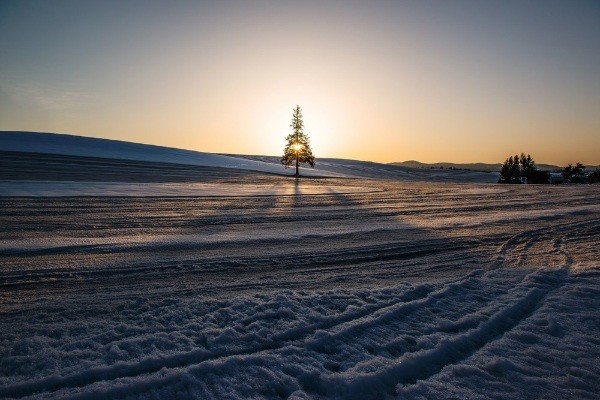
- A snowy landscape as far as the eye can see! What makes Biei a must-visit destination in winter?

Hokkaido from all over Japan! Find affordable Hokkaido package tours here.

Make your trip even more enjoyable! Book your Hokkaido local experience tour here.

Combine flights and hotels freely for great deals! Dynamic Packages
Introducing our sister site (please check it out if you're interested)


 Choose from area
-
 Sapporo/Jozankei
-
 Hakodate, Southern Hokkaido, Okushiri
-
 Northern Hokkaido, Wakkanai, Rishiri and Rebun Islands
-
 Asahikawa/Sounkyo
-
 Eastern Hokkaido (Abashiri, Kitami, Shiretoko)
-
 Kushiro, Akan, Kawayu, Nemuro
-
 Tokachi-Hidaka
-
 Furano, Biei, Tomamu
-
 Noboribetsu and Lake Toya
-
 Chitose, Lake Shikotsu, Yubari
-
 Otaru, Rusutsu, Niseko

 Search by trending tags
Popular article ranking
Yesterday
1 months


