

 List of Articles

 Search by Area
 Book your trip
 Tour
 Local Experience
 Rental Car
 Hotels
 Golf
 VILLA
 Search articles
 Tour search
I want to tell everyone! Common things about Hakodate and Southern Hokkaido
-

- Post
-

- Last updated: September 10, 2018
 Table of contents
1. From children to adults! Everyone can dance the squid dance!
2. Lucky Pierrot is a family restaurant.
3. Sapporo is within day-trip distance even if it takes more than 3 hours one way.
4. It sounds just like a "Zuzu" dialect! A dialect similar to Tsugaru dialect.
5. Unusual for Hokkaido?! Road conditions in southern Hokkaido
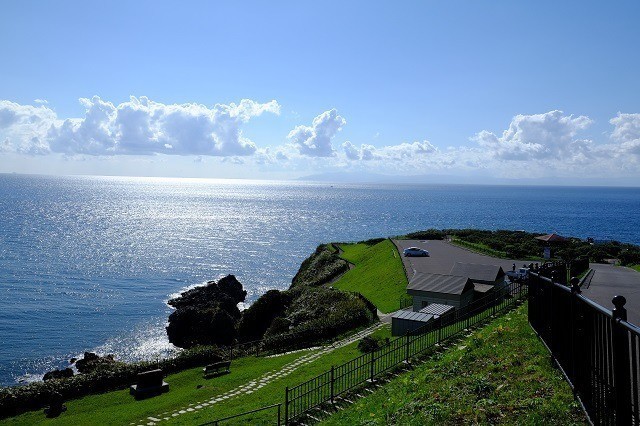
"In the summer, everyone dances the squid," "Lucky Pierrot is a family restaurant," and "Sapporo is within day-trip distance."
Actually, this is something that people living in southern Hokkaido, especially around Hakodate, will find themselves nodding in agreement at. Knowing these common experiences might make your trip to southern Hokkaido even more enjoyable!
This time, in addition to the three relatable anecdotes I mentioned at the beginning, I'll introduce five more common experiences in Hakodate and southern Hokkaido, including "the accent of southern Hokkaido" and "driving habits," from the perspective of a Hakodate resident. Whether you're from southern Hokkaido or not, please take a look!
<Table of Contents>
1. From children to adults! Everyone can dance the squid dance!
2. Lucky Pierrot is a family restaurant.
3. Sapporo is within day-trip distance even if it takes more than 3 hours one way.
4. It sounds just like a "Zuzu" dialect! A dialect similar to Tsugaru dialect.
5. Unusual for Hokkaido?! Road conditions in southern Hokkaido
Summary
1. From children to adults! Everyone can dance the squid dance!

The Hakodate Port Festival is held every year in early August in Hakodate. The main event of the festival is a parade called "Wasshoi Hakodate."
The dances performed in this parade, which attracts 2 participants every year, are the "Hakodate Port Dance" and the "Hakodate Squid Dance."
Among them, the Hakodate Squid Dance, which uses squid, a specialty of Hakodate City, as its theme, is a dance beloved by locals for its unforgettable melody and unique choreography.

The Squid Dance was devised in 1980 by local volunteers. Based on the concept that anyone can easily learn to dance, the Squid Dance has now become a summer tradition in Hakodate. It's no exaggeration to say that when the melody of the Squid Dance is played, every citizen of Hakodate starts dancing.
At Wasshoi Hakodate, there are various parades, from children's squid dances to open parades where anyone can join in, so if you have the chance, be sure to participate!
2. Lucky Pierrot is a family restaurant.
 Self-taken photos
Lucky Pierrot, affectionately known as "Rappi," is a representative of Hakodate's B-grade gourmet food. While it's strongly associated with fast food, with its number one selling Chinese Chicken Burger and the three-story Hakodateyama Burger, the people of Hakodate and southern Hokkaido have a slightly different perspective.
 Self-taken photos
Omelet rice, curry, hamburgers... Actually, Lucky Pierrot has many menu items other than burgers.
Most tourists order the burgers featured in guidebooks, but only a minority of locals choose burgers. Some restaurants also offer ramen and tonkatsu, so many people use them like a family restaurant.
Lucky Pierrot's menu items are all generously portioned and guaranteed to leave you completely satisfied. Try ordering something other than a hamburger to show off your connoisseurship!
3. Sapporo is within day-trip distance even if it takes more than 3 hours one way.

It takes about 3 hours and 40 minutes by express train from JR Hakodate Station to Sapporo Station, and about 2 hours from Oshamanbe Station, located in the northern part of southern Hokkaido.
If you use a car, it takes about two hours longer, but according to people from Hakodate and southern Hokkaido, Sapporo is within day-trip distance. They say it's a distance where you can leave in the morning and be back before midnight with plenty of time to spare.
Young people, in particular, seem to be quite aggressive and often carpool with friends to go out on casual outings.
By the way, I definitely wouldn't recommend a day trip to Sapporo for tourists... It's quite far!
4. It sounds just like a "Zuzu" dialect! A dialect similar to Tsugaru dialect.

The Hakodate/southern Hokkaido dialect has a slightly muffled sound, with words like "iga" (squid), "hagodade" (Hakodate), and "kagome" (seagull). This dialect is similar to the Tsugaru dialect of Aomori and is said to be close to the so-called "zuzu" dialect.
This seems to stem from the fact that Hakodate and the southern Hokkaido region, located in the southernmost part of Hokkaido, had exchanges with Honshu even before the area was settled.

For example, Matsumae Town, located at the southernmost tip of the island, was already home to the Matsumae Domain during the Edo period and flourished as a trading center connecting Ezo (Hokkaido) and Honshu.
Furthermore, there is Date City in Miyagi Prefecture, named after the Watari Date clan who migrated there as a group, and Yakumo, where it is said that Japanese people settled to interact with the Ainu.
It is said that this accent may have taken root in southern Hokkaido because there are many places in the area that have ties to Honshu.
5. Unusual for Hokkaido?! Road conditions in southern Hokkaido

When you think of roads in Hokkaido, what kind of roads come to mind? Roads that stretch straight into the middle of grasslands? Or perhaps the modern, well-maintained roads of Sapporo? Even within Hokkaido, the roads of Hakodate and southern Hokkaido are a little different.

As mentioned regarding the accent, the Hakodate and southern Hokkaido region has been inhabited since before the development of Hokkaido. As a result, the road network is complex. There are countless narrow, winding roads and dead ends, which are commonly seen on Honshu, and if you only look at the roads, you might not get the feeling that you're in Hokkaido.
However, if you drive along National Route 228, which runs from Hakodate to Matsumae, you can enjoy spectacular views of the Tsugaru Strait and experience scenery typical of southern Hokkaido.

Also, and this is an unpleasant truth for locals, there's an unfortunate common complaint that drivers with Hakodate license plates have poor driving manners.
This isn't limited to Hakodate and southern Hokkaido, but there are some drivers who engage in dangerous behavior such as reckless overtaking or turning right despite oncoming traffic, so be careful when you're behind the wheel.
Summary
So, what do you think? We've shared some Hakodate and Southern Hokkaido anecdotes that locals will surely nod along to. Hakodate and Southern Hokkaido are regions that were among the first inhabitants of Hokkaido and have developed their own unique culture. When you travel to the towns of Southern Hokkaido, be sure to remember these!
Please also check out these related articles.
-

- Hakodate's famous autumn foliage spot, Kōsetsuen Garden! Enjoy the autumn leaves at the Momiji Festa and how to enjoy the four seasons.
-

- Within an hour of Sapporo ♪ Relax amidst the peaceful rural scenery of Shinshinotsu Village - highly recommended!
-

- Maruyama Bar Kuro | A luxurious experience of exquisite Italian cuisine using Hokkaido ingredients and vintage wines.
-

- Enjoy the fantastical world of ice at the Shikotsu Lake Ice Festival.
-

- My first trip to Hokkaido! A roundup of must-see spots♪
-

- A drive from Sapporo to Yoichi: Recommended sightseeing, gourmet food, and shopping.
-

- Naganuma, the town of sunsets. Such a stylish town located near Sapporo!
-
- 6 Must-See Hokkaido Attractions in March | Recommended for Spring Break Trips!

Hokkaido from all over Japan! Find affordable Hokkaido package tours here.

Make your trip even more enjoyable! Book your Hokkaido local experience tour here.

Combine flights and hotels freely for great deals! Dynamic Packages
Introducing our sister site (please check it out if you're interested)


 Choose from area
-
 Sapporo/Jozankei
-
 Hakodate, Southern Hokkaido, Okushiri
-
 Northern Hokkaido, Wakkanai, Rishiri and Rebun Islands
-
 Asahikawa/Sounkyo
-
 Eastern Hokkaido (Abashiri, Kitami, Shiretoko)
-
 Kushiro, Akan, Kawayu, Nemuro
-
 Tokachi-Hidaka
-
 Furano, Biei, Tomamu
-
 Noboribetsu and Lake Toya
-
 Chitose, Lake Shikotsu, Yubari
-
 Otaru, Rusutsu, Niseko

 Search by trending tags
Popular article ranking
Yesterday
1 months


