

 List of Articles

 Search by Area
 Book your trip
 Tour
 Local Experience
 Rental Car
 Hotels
 Golf
 VILLA
 Search articles
 Tour search
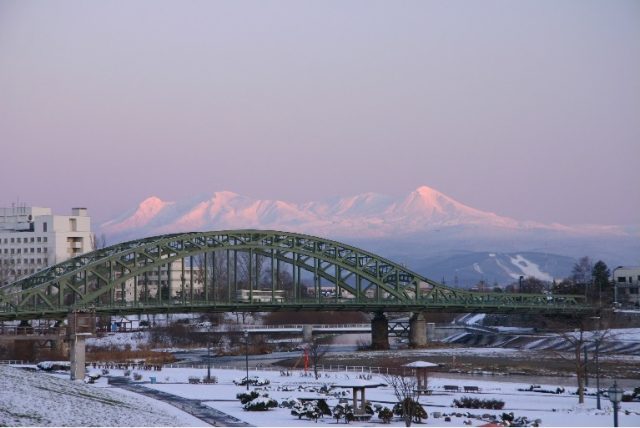
A summary of sightseeing spots and attractions in the Asahikawa and Kamikawa areas during winter.
-

- Find your Hokkaido trip! Search, compare, and book affordable Hokkaido tours.
-

- Last updated: September 7, 2019
Asahikawa is a region with distinct seasons, offering unique ways to enjoy each season. Winter, in particular, is exceptional. Located in the northern part of Hokkaido, it experiences truly cold winters, with snowy landscapes that perfectly embody the image of Hokkaido, and numerous spots and events to enjoy the winter season.
This time, we'll introduce recommended spots and events in the Asahikawa and Kamikawa areas of Hokkaido during winter, where you can fully enjoy the charm of the region. We'll also provide information on temperatures, weather, and recommended clothing. Make sure to dress warmly and enjoy the sights and events that can only be enjoyed in winter.
 Table of contents
1. Asahiyama Zoo in winter: A place full of the charm of animals that can only be seen in winter.
2. A large-scale snow and ice festival: Asahikawa Winter Festival
3. Winter in Sounkyo Gorge turns rainbow-colored: Sounkyo Onsen Ice Waterfall Festival
4. A Snow Museum Where You Can Step into the World of "Frozen"
5. Winter in Asahikawa is extremely cold! What should I wear?
1. Asahiyama Zoo in winter: A place full of the charm of animals that can only be seen in winter.

First, I would like to recommend Asahiyama Zoo in winter.
Asahiyama Zoo, which became famous nationwide for its unique exhibition methods, offers a completely different experience in winter compared to summer, showcasing animals in ways that can only be seen during this season.
One of the most famous winter attractions is the "Penguin Walk." The penguins take about 30 minutes to walk along a route of approximately 500 meters within the park. Since there are no fences, you can watch them from very close up.
The penguin parade typically takes place from the end of December until mid-March, when there is snowfall.

During the Asahikawa Snow Festival, held in early February, an event called "Snow Light Zoo" takes place, extending the zoo's opening hours until 8:30 PM. From around 4 PM, when it starts to get dark, numerous ice candles are lit, creating a magical atmosphere. There are plenty of attractions, including snow sculptures of animals and nighttime zoo tours led by zookeepers, all available only during the event.
Asahiyama Zoo
Address:078-8205 Kuranuma, Higashi-Asahikawa-cho, Asahikawa City
TEL: 0166-36-1104 (representative)
Winter season: November 11, 2017 (Saturday) to April 8, 2018 (Sunday)
Opening hours: 10:30 AM to 3:30 PM (Last entry at 3:00 PM)
Closed days: No closures during the park's operating season. Open from 9:00 AM to 5:00 PM (may be closed for maintenance).
Official website:http://www.city.asahikawa.hokkaido.jp/asahiyamazoo/
<Zoo illuminated by snow lights>
Venue: Asahiyama Zoo
Event Period: Held concurrently with the Asahikawa Snow Festival (6 days from February 7th to February 12th in 2017)
Opening hours: 10:30 AM to 8:30 PM (Last entry at 8:00 PM)
Official website:http://www.city.asahikawa.hokkaido.jp/asahiyamazoo/news-blog/osirase/d058280.html
2. A large-scale snow and ice festival: Asahikawa Winter Festival

Next, I'd like to recommend the Asahikawa Winter Festival, which is held for six days every year starting in early February.
This festival, themed around "snow, ice, and light," has been held since 1960 and attracts nearly one million visitors every year.
The highlight of this festival, which attracts many visitors from overseas, is the world's largest snow sculpture. Its size has even set a Guinness World Record.
A stage is set up in front of this large snow sculpture, and stage events such as comedy and singing performances, as well as radio recordings with celebrities, are held there.

Another highlight is the "World Ice Sculpture Championships."
This is an official international ice sculpture competition, where the ice sculpture competition takes place over approximately a day and a half, and the completed works are displayed throughout the Asahikawa Winter Festival.
<Asahikawa Winter Festival>
Venue: Ishikari River Asahibashi Riverside and Heiwa-dori Shopping Park (may vary depending on the year).
Contact: Asahikawa City Economic and Tourism Department, Tourism Division
TEL:0166-25-7168
FAX: 0166-26-8585
Event period: Early February
Opening hours: 9:00 AM to 9:00 PM (until 8:00 PM on the last day)
Official website:http://www.city.asahikawa.hokkaido.jp/awf/index.html
<World Ice Sculpture Championships>
Venue: Asahikawa Winter Festival
Competition period: Early February
Exhibition period: From the end of the competition until the last day of the Sapporo Snow Festival.
3. Winter in Sounkyo Gorge turns rainbow-colored: Sounkyo Onsen Ice Waterfall Festival

Sounkyo Gorge is known for its waterfalls cascading down sheer cliffs.
In the harsh winter, even the waterfall freezes, transforming into a massive icefall. Ice structures are created along the Ishikari River and illuminated at night.
The venue, illuminated by seven-colored lights and bathed in rainbow hues, is breathtakingly beautiful. Fireworks are also launched during the event, illuminating the winter night sky.

Inside the venue, there is a shrine made of snow igloos, and within it, a sacred jewel made of ice is enshrined.
While silently making a wish, throw your offering towards the sacred orb. It is said that if it sticks, your wish for things like finding love or passing exams will come true. Please do come and pay your respects!
Sounkyo Ice Waterfall Festival
Venue: Sounkyo Onsen, Kamikawa Town (Special venue)
Contact: Sounkyo Tourism Association
TEL:01658-2-1811
Event period: Late January to late March
Official site:http://www.sounkyo.net/hyoubaku/
4. A Snow Museum Where You Can Step into the World of "Frozen"

Photo by Flickr: Snow Museum / MiNe
Although it's a facility that's open all year round, the "Snow Museum" located within the Hokkaido Traditional Arts and Crafts Village is definitely worth visiting in winter.
The towering, European-castle-like structure looks exactly like the ice castle Elsa created in "Frozen."

Photo by Flickr: Snow Museum / MiNe
This is the "Ice Corridor," an exhibition space at the Snow Museum. You can see the dynamic ice walls from the windows on both sides of the corridor.
Beyond the windowpane, which doesn't look like an artificially created ice wall, lies a world of -15 degrees Celsius. This, too, is reminiscent of Elsa's castle.
Snow Museum >
Address: 〒070-8028 3-1-1 Minamigaoka, Asahikawa City, Hokkaido (within Hokkaido Traditional Arts and Crafts Village)
TEL: 0166-36-1104 (representative)
Opening hours: 9:00 AM - 5:00 PM
Closed: New Year's holidays (December 30th to January 4th)
Admission fee: General admission 700 yen, high school and university students 500 yen, elementary and junior high school students 400 yen
Official website:http://yukibi.marryblossom.com/yukibi/
5. Winter in Asahikawa is extremely cold! What should I wear?

This time, we introduced recommended winter spots and events in the Asahikawa and Kamikawa area. This region is known for being one of the coldest in Hokkaido. So, you're probably wondering about the winter temperatures and climate, and what kind of clothes you should wear. If you're planning a trip, you should definitely check this information.
First, regarding temperature and precipitation, please refer to the table above. Both represent the average over the past 30 years.
As you can see from the table, the highest temperatures in Asahikawa in January and February are below freezing. The lowest temperatures are as low as -12 degrees Celsius, making it extremely cold.
Please also refer to the table showing the deepest snow depth. In January and February, the deepest snow depth is nearly 1 meter. Since it snows that much continuously, it is recommended to wear boots that are not slippery in the snow and that cover your ankles completely to prevent snow from getting inside.

The minimum temperature in Asahikawa is expected to drop to around -15 degrees Celsius, so we recommend taking sufficient precautions against the cold.
Take as many precautions against the cold as possible, such as wearing heat-generating underwear like Heattech, or layering a thick coat or ski wear over a sweater or sweatshirt. Also, don't forget to wear a wool hat and gloves.
Final thoughts
This guide summarizes recommended winter spots, events, weather, and clothing suggestions for the Asahikawa and Kamikawa areas.
Asahikawa in winter is a world of sub-zero temperatures, so please take ample precautions against the cold. If you dress too lightly, not only will the cold diminish your enjoyment of sightseeing, but you also risk frostbite. Please be careful.
Dress warmly and enjoy the unique winter spots and events in the Asahikawa and Kamikawa areas.
Please also check out these related articles.
-

- A special feature on spots in Noboribetsu, Lake Toya, and Muroran where you can enjoy autumn flavors and colorful foliage.
-

- Enjoy spring in Hokkaido in the Noboribetsu, Lake Toya, and Muroran areas! Recommended sights.
-

- A summary of sightseeing spots and attractions in the Asahikawa and Kamikawa areas during spring.
-

- You won't regret it! Tips for choosing the perfect drift ice viewing tour based on your interests!
-

- September Hokkaido Travel Guide (2026 Definitive Edition) | Hokkaido Lab
-
- A journey to experience history and flavors: A summary of sightseeing, attractions, and events in Hakodate in autumn.
-
- Here's a guide to preparing for your Hokkaido trip, organized by season! [Clothing Guide]
-

- Enjoy your summer vacation to the fullest in the Noboribetsu, Lake Toya, and Muroran area! A summary of summer sightseeing and highlights.

Hokkaido from all over Japan! Find affordable Hokkaido package tours here.

Make your trip even more enjoyable! Book your Hokkaido local experience tour here.

Combine flights and hotels freely for great deals! Dynamic Packages
Introducing our sister site (please check it out if you're interested)


 Choose from area
-
 Sapporo/Jozankei
-
 Hakodate, Southern Hokkaido, Okushiri
-
 Northern Hokkaido, Wakkanai, Rishiri and Rebun Islands
-
 Asahikawa/Sounkyo
-
 Eastern Hokkaido (Abashiri, Kitami, Shiretoko)
-
 Kushiro, Akan, Kawayu, Nemuro
-
 Tokachi-Hidaka
-
 Furano, Biei, Tomamu
-
 Noboribetsu and Lake Toya
-
 Chitose, Lake Shikotsu, Yubari
-
 Otaru, Rusutsu, Niseko

 Search by trending tags
Popular article ranking
Yesterday
1 months


