

 List of Articles

 Search by Area
 Book your trip
 Tour
 Local Experience
 Rental Car
 Hotels
 Golf
 VILLA
 Search articles
 Tour search

A summary of spring sightseeing spots and attractions in the lush green Obihiro and Tokachi area.
-

- Find your Hokkaido trip! Search, compare, and book affordable Hokkaido tours.
-

- Last updated: September 7, 2019
In particular, the Obihiro and Tokachi area has a place called the Hokkaido Garden Road, where there are many beautiful gardens.
The Obihiro and Tokachi area at this time of year offers many sights to see, from the lush greenery of the trees contrasting with the pristine white snowscape, to the spring flowers that have been waiting to bloom.
This time, we'll introduce three spring highlights and three recommended events in the Obihiro and Tokachi area.
We'll also share information about the weather during this time of year and recommend some suitable clothing, so please take a look!
 Table of contents
1. Obihiro City Wildflower Garden, where you can see the natural landscape of the Tokachi Plain.
3.3. Manabe Garden, with its three charming gardens.
4. Lots of fun! "Tokachi Hills Garden Opening Event"
5. The Honbetsu Mountain Valley Azalea Festival: Feeling the arrival of spring with azaleas.
6. "Shintoku Town's 'Soba Bar'" - A specialty of this region.
1. Obihiro City Wildflower Garden, where you can see the natural landscape of the Tokachi Plain.

As its name suggests, Obihiro Wildflower Garden is a facility where you can observe plants that grow naturally in the Tokachi Plain.
This facility is home to a wide variety of plants, including wildflowers and trees that make up old-growth forests, and serves not only as a tourist attraction but also as a learning space for local elementary and junior high school students.
The 43,530 square meter grounds are said to be home to 375 species of plants from 82 families, each displaying a beautiful appearance throughout the seasons.

In spring, not only flowers that bloom on Honshu, such as skunk cabbage, anemone, and primrose, but also flowers unique to Hokkaido, such as Corydalis ambigua and Asarum sieboldii, can be seen.
The wildflowers that have endured under the snow for nearly half a year may not be showy, but they possess a brave and resilient beauty.
Address: 2 Midorigaoka, Obihiro City, Hokkaido 080-0846
TEL:0155-24-2434
Business hours: 9: 00-16: 30
Opening period: April 29th to October 31st
Admission: Free
Official website:http://www.city.obihiro.hokkaido.jp/yasouen/ayasou_yachou_2.html
2. "Rokka no Mori" (Rokka Forest) where you can see the flowers depicted on Rokkatei's wrapping paper.

In Hokkaido, when you hear the name "Rokka," many people probably think of the confectionery company "Rokkatei," right?
This forest is a facility where the flowers of Hokkaido, as depicted on the wrapping paper of Rokkatei confectionery, are primarily planted.
On the 100,000 square meter grounds, the "Tokachi Six Flowers"—Ezo gentian, Japanese rose, large-flowered trillium, dogtooth violet, Ezo marsh marigold, and Japanese anemone—display their beautiful forms in each season every year.
The grounds also contain old houses and an art museum that were relocated from Croatia, so be sure to take a look around.
Address: 249-6 Tokiwa Nishi 3-sen, Nakasatsunai Village, Kasai District, Hokkaido 089-1300
TEL:0155-63-1000
Opening hours: 10:00-17:00 from April 28th to May 31st and from September 1st to September 24th, 9:00-17:00 from June 1st to August 31st, and 10:00-16:00 from September 25th to October 15th.
*Opening hours vary by facility. Please check the official website.
No regular holiday
Admission fee: Adults 800 yen, Elementary and junior high school students 500 yen
Official website:http://www.rokkatei.co.jp/facilities/index2.html
3.3. Manabe Garden, with its three charming gardens.

This garden is a facility operated by Manabe Garden Nursery, which imports, produces, and sells trees.
Therefore, you can see not only plants from Tokachi and Hokkaido, but also plants collected from all over the world.
Furthermore, the garden, which has been in existence for over 50 years, is said to have changed and grown along with the times.

The facility, spanning 24,000 tsubo (approximately 3 square meters), is comprised of three gardens: a Japanese garden, a Western-style garden, and a landscape garden.
It's a must-visit spot for gardening enthusiasts, as it includes Japan's first conifer garden, a cafeteria where you can enjoy the scenery along with wild birds and Hokkaido squirrels, and a garden center where you can purchase the latest horticultural varieties.
Address: 2-6 Higashi, Inada-cho, Obihiro City, Hokkaido 080-0832
TEL:0155-48-2120
Opening hours: 8:00 AM to sunset (last entry at 18:00 PM during summer)
Operating period: April 22nd to December 3rd
Admission fee: Adults 800 yen, Elementary and junior high school students 200 yen
Official website:http://www.manabegarden.jp/
4. Lots of fun! "Tokachi Hills Garden Opening Event"

Tokachi Hills is a theme park based on the concept of "agriculture and food."
The vast grounds, which offer a glimpse into the Tokachi landscape, are planted with a wide variety of flowers and plants.
This facility closes for the winter season in late October each year and reopens in April of the following year. For the first month after reopening, various events are held, such as gifts for visitors and gardening workshops, so please be sure to stop by!
By the way, admission is free during the event, so it's a great deal.
Address: 13-5 Nisshin, Makubetsu-cho, Nakagawa-gun, Hokkaido 089-0574
TEL:0155-56-1111
Opening hours: 9: 00 to 18: 00
Holding period: 4/22-5/12
Admission fee: Adults 800 yen, Junior high school students 400 yen, Elementary school students and younger free (Free admission during events)
Official website:http://www.tokachi-hills.jp/
5. The Honbetsu Mountain Valley Azalea Festival: Feeling the arrival of spring with azaleas.

In early May, when the Ezo purple azaleas are in full bloom, many people gather at Honbetsu Park to enjoy taiko drumming performances and comedy shows.
Honbetsu Park has combination play equipment and go-karts, so families with children can have a great time.

Furthermore, at this Honbetsu Sankei Azalea Festival, you can enjoy Genghis Khan (grilled lamb) and barbecue while admiring azaleas and cherry blossoms, just like you would at a flower viewing event in Hokkaido.
There will also be food stalls, so please be sure to enjoy the flavors of Tokachi.
Address: 51 Higashimachi, Honbetsu-cho, Nakagawa-gun, Hokkaido 089-3302
TEL: 0156-22-2141 (Honbetsu Town Planning and Promotion Division)
Event period: Early February
Official website:https://www.town.honbetsu.hokkaido.jp/sightseeing/fes/details/tutujifes.html
6. "Shintoku Town's 'Soba Bar'" - A specialty of this region.

Shintoku Town in Tokachi is known as one of the leading soba noodle-producing areas in Hokkaido.
Therefore, soba events are held several times a year, and "Soba Bar" is one of them, held in the spring.
This event allows you to enjoy sake and soba noodles as a set, in a bar-hopping style. A set of three tickets costs 2,000 yen, so you can enjoy soba at three different restaurants with one set.
Venue: Restaurant area in front of Shintoku Station
TEL: 0155-23-6403 (Tokachi Tourist Information Center)
Event period: Mid-February to the end of March
Food & Drink Ticket: 2,000 yen (3 tickets)
*Opening hours and closing days vary by store.
Official website:https://www.shintoku-town.net/event/2017/sobaru.html#
7. What are the temperatures and weather like in the Obihiro/Tokachi area in spring? What should I wear?

Even though it's spring, March in the Obihiro and Tokachi area is still a time when snow remains.
For those of you on Honshu, it's still quite cold, almost like the middle of winter, so please take care.
Even in April and May, the nights can get very cold. If you want to enjoy the cherry blossoms at night, be sure to take adequate precautions against the cold before you go out.

March is the snowmelt season in the Obihiro and Tokachi area.
Since your feet will often get wet, I recommend wearing water-repellent shoes such as rain boots if possible.
Even though it's spring, the cold weather can return unexpectedly. It's a good idea to be prepared with layers that can be adjusted to the temperature, such as a light down jacket, a knit cap, and warm innerwear.
Final thoughts
We've introduced some of the highlights and recommended events in the Obihiro and Tokachi area during springtime.
For those living outside Hokkaido, spring in the Obihiro and Tokachi area may still feel quite cold, but the vibrant energy of nature and people that comes with the arrival of spring after enduring a long winter is something that cannot be experienced in any other season.
The period from the snowmelt to the end of spring passes by in the blink of an eye, but please do try to fully enjoy this precious season.
Please also check out these related articles.
-

- Enjoy Hokkaido during its cheapest season! How much budget is needed?
-

- If you're going to Hokkaido in any season, here are some recommended trips!
-

- Recommended tourist spots in the Okhotsk and Shiretoko area that will make you fall in love with winter.
-
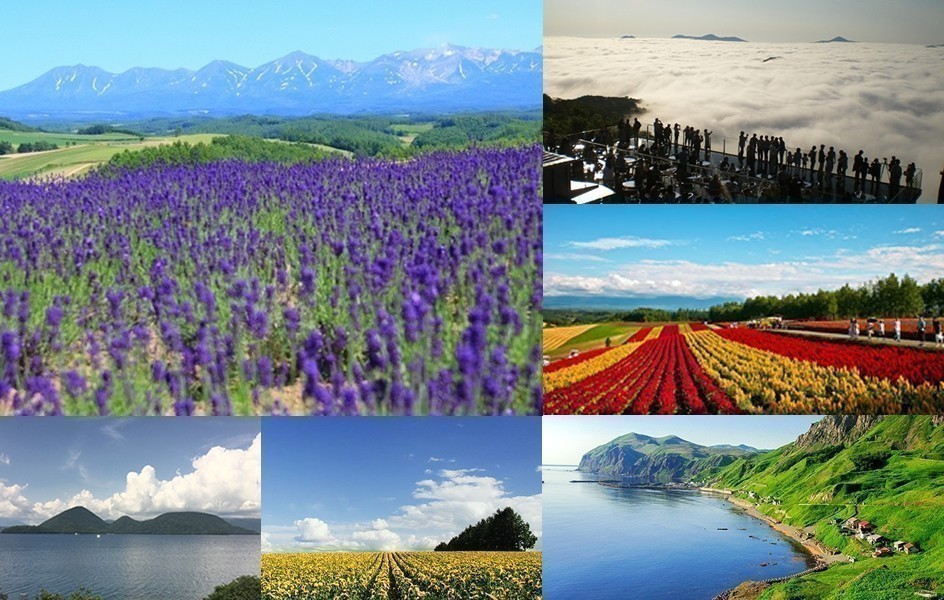
- Must-see sights and must-try foods in Hokkaido this summer.
-

- Read this and you'll be all set! A how-to guide to enjoying skiing in Hokkaido!
-

- Looking to enjoy an autumn trip to Hokkaido? Here are 7 recommended autumn-themed sightseeing spots!
-

- Enjoy the Okhotsk and Shiretoko areas this summer! A summary of sightseeing, events, and attractions.
-

- Enjoy a trip to Hakodate in the spring! A summary of sightseeing spots and attractions in Hakodate.

Hokkaido from all over Japan! Find affordable Hokkaido package tours here.

Make your trip even more enjoyable! Book your Hokkaido local experience tour here.

Combine flights and hotels freely for great deals! Dynamic Packages
Introducing our sister site (please check it out if you're interested)


 Choose from area
-
 Sapporo/Jozankei
-
 Hakodate, Southern Hokkaido, Okushiri
-
 Northern Hokkaido, Wakkanai, Rishiri and Rebun Islands
-
 Asahikawa/Sounkyo
-
 Eastern Hokkaido (Abashiri, Kitami, Shiretoko)
-
 Kushiro, Akan, Kawayu, Nemuro
-
 Tokachi-Hidaka
-
 Furano, Biei, Tomamu
-
 Noboribetsu and Lake Toya
-
 Chitose, Lake Shikotsu, Yubari
-
 Otaru, Rusutsu, Niseko

 Search by trending tags
Popular article ranking
Yesterday
1 months


