

 List of Articles

 Search by Area
 Book your trip
 Tour
 Local Experience
 Rental Car
 Hotels
 Golf
 VILLA
 Search articles
 Tour search
The station with the earliest last train in Japan | Here are the highlights of Shintotsukawa Station and Shintotsukawa Town!
-

- Post
-

- Last updated: September 11, 2018
 Table of contents
1. What is Shintotsukawa Town?
3. Tourist Guide to the Area Around Shintotsukawa Station
 It's no exaggeration to say that the history of Hokkaido's development began with the acceptance of settlers from all over Japan throughout the prefecture. The history of Shintotsukawa Town, home to Shintotsukawa Station, which became the station with the earliest last train departure in Japan on March 26, 2016, also begins there.
But what kind of town is it exactly? Is it a place you can visit as a tourist? Many questions probably come to mind.
So this time, I'll introduce the charms of Shintotsukawa town, focusing on the area around the train station, which isn't often featured in tourist guidebooks.
You'll surely want to make Shintotsukawa, a town with roots in Nara Prefecture and the setting for a TV drama, your final destination on your journey.
~Table of Contents~
1. What is Shintotsukawa Town?
2. Shintotsukawa Station
3. Tourist Guide to the Area Around Shintotsukawa Station
Final thoughts
1. What is Shintotsukawa Town?

Totsukawa Village occupies most of the southern part of Nara Prefecture.
This peaceful mountain village was struck by a massive flood from the Yoshino River during the Meiji era. The wilderness where the victims settled became the origin of Shintotsukawa Town.
The pioneering efforts were fraught with hardship, as detailed in the children's book "Shintotsukawa Monogatari" by Takashi Kawamura. However, the pioneers persevered through these difficulties and created Shintotsukawa Town, one of the leading rice-producing areas in central Sorachi.
Furthermore, Shintotsukawa is also a town with a terminal station. In the past, the Sassho Line connected Sapporo to Numata Town, but now there is no railway line north of Shintotsukawa Station, and the name Sassho Line has been changed to the Gakuen Toshi Line (Sassho Line), with only a few trains running.
2. Shintotsukawa Station
Shintotsukawa Station, which became the terminal station of the Sassho Line in 1972, is an unmanned station with only one round trip in the morning. There are no direct trains to Sapporo, and a transfer is required in Tobetsu Town. It's not exactly a remote area, but it's a station full of the feeling of being in a remote location because it's difficult to get to from Sapporo.

The station building has a charming exterior, complete with an antique pendulum clock. The platform is also very simple and unpretentious. In spring, nameless wildflowers bloom around the station, creating a scene that could easily be mistaken for a commercial. It evokes the landscapes that remained in various parts of Japan 40 years ago.
Because it's a single-car diesel train operated by one person, there isn't even a ticket machine. In the afternoon, there are no station staff or even local residents to be seen, and despite being a station, it's eerily quiet. It has the feel of time standing still.

There are no shopping streets in front of the station, and the only large building is the adjacent Sorachi Central Hospital. The last train departs in the 9:00 AM hour, making it the station with the earliest last train departure in Japan.
The sight of children from the Sorachi Central Hospital nursery school dropping off and picking up the train is truly heartwarming. It may be a tiny little station in the north, but the warmth and charm it exudes are immense.
YouTube: From Kota's Slow and Steady Railway Channel
3. Tourist Guide to the Area Around Shintotsukawa Station
3-1 Shintotsukawa Monogatari Memorial Museum
In the 1990s, the story of Shintotsukawa Monogatari became a popular TV drama on NHK, starring Yuki Saito. It tells the story of overcoming the difficulties of developing Hokkaido.
The group of characters, set against the backdrop of the eruption of Mount Tokachi and depicting the people who overcome the challenges, are still loved by many today, along with Ayako Miura's "Mudflow Area," which deals with the theme of pioneering. The Shintotsukawa Monogatari Memorial Museum was created to widely share the spirit of this work.
The exterior is designed to resemble the Bunbukan (a martial arts school) from the pioneering days. The facility offers corners where visitors can experience various works, as well as photo panels from the filming of NHK television dramas, further expanding the world of the works.
Even though it is a fertile agricultural region today, Hokkaido in the early Meiji era was an unimaginable wilderness. The cold, hunger, and harsh natural conditions were beyond comprehension. It's as if the spirits of the people who overcame those challenges are being revived.
Shintotsukawa Story Memorial Museum
Address: 188-6, Soshin, Shintotsukawa-machi
(Located within Furusato Park, next to Sunhills Sarai)
Phone: 0125-76-2995
Opening hours: 10:00 AM to 4:00 PM
(Open every day from April 29th to October 31st)
Closed from November 1st to April 28th.
Admission fee: Adults (high school students and older) 140 yen
Elementary and junior high school students 70 yen
Infants are free.

3-2 Kinteki Sake Brewery
They succeeded in pioneering. The pioneers achieved their goal through a life of extreme asceticism.
One of these measures was abstinence from alcohol. All banquets were prohibited, and all energy was directed towards pioneering. It took approximately 16 years for this ban to be lifted.
So, they decided to make their own sake to celebrate their own occasions. That's how Kinteki Sake Brewery was founded in 1906 (Meiji 39). It was one manifestation of their independent and pioneering spirit.
Shintotsukawa, one of Hokkaido's leading rice-producing areas and blessed with the pure waters of Pinneshiri, possesses, in a sense, ideal conditions for sake brewing.
Currently, brewery tours are available (reservations required by phone). This sake boasts a rich and flavorful taste. You can taste the passion of the pioneers who developed Shintotsukawa in Hokkaido during the Meiji era. In other words, it's a taste that allows you to feel the weight of history permeate your entire being.
Because it's from a small brewery with limited distribution, it's difficult to find in regular liquor stores, which adds to its premium feel. Highly recommended.
Kinteki Shuzo Co., Ltd.
*Reservations by phone are required for tours of the brewery.
71 Chuo, Shintotsukawa-machi
Phone: 0125-76-2341
3-3 Hometown Park

Located west of Shintotsukawa Station is Furusato Park, a comprehensive facility. It boasts a variety of sports facilities, including baseball and soccer fields, a gymnasium, and an indoor park golf course, and the aforementioned Shintotsukawa Monogatari Memorial Museum is also located within Furusato Park.
More than just a sports park, it also houses a concentration of cultural facilities, including a climbing kiln. It can be said that this Furusato Park is the cultural and athletic center of Shintotsukawa Town.
In addition, there are plenty of accommodation options to suit your needs and budget, including a camping village, cabin village VILLA Tokutomi, Green Park Shintotsukawa, and Sunhills Sarai.
Green Park Shintotsukawa, in particular, has an attached hot spring, making it a great spot for day trips to enjoy a soak. Located amidst the gentle flow of the Ishikari River and Toppu River, it's a facility where you can fully enjoy a relaxing holiday in a tranquil plain.
Hometown Park
Address: 188-6, Soshin, Shintotsukawa-machi
For inquiries, please contact: Shintotsukawa Town Industrial Promotion Division, Commerce and Tourism Group
Phone: 0125-76-2134
FAX: 0125-76-2785
Final thoughts

Shintotsukawa Town may not be the most prominent town in central Hokkaido or Sorachi. However, it is a town where people who lost their homes in the floods gritted their teeth and made their lives a reality amidst the wilderness, a town full of passionate spirit.
Delicious rice and delicious water. A town whose history is imbued with an indomitable fighting spirit like a phoenix.
You might not sense it from the gentle and mild faces of the people, but if you visit Hokkaido, be sure to spend a holiday in Shintotsukawa, the town of the phoenix.
Please also check out these related articles.
-

- Driving from Sapporo to Lake Toya? Here's a recommended sightseeing route!
-

- You won't regret it! Tips for choosing the perfect drift ice viewing tour based on your interests!
-

- Hokkaido University Museum Renewal! A complete look at the museum, which is free and open to everyone.
-

- Gardens in Tokachi eagerly await the blooming of spring! [Spring in Obihiro and Tokachi]
-

- 7 Must-See Tourist Spots & Attractions in Takikawa City! Lots of hidden gems you won't find anywhere else!
-

- Must-visit restaurants! Two top-rated spots in Otaru to enjoy the best of local cuisine!
-

- If you're going to Hakodate or southern Hokkaido, you should definitely visit! The four seasons and how to enjoy Onuma Park.
-
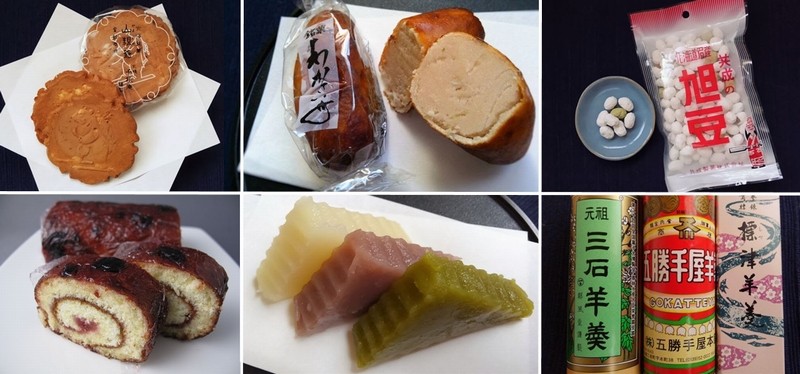
- 15 Nostalgic Hokkaido Specialty Sweets | A Collection of Classic and Reliable Souvenirs!

Hokkaido from all over Japan! Find affordable Hokkaido package tours here.

Make your trip even more enjoyable! Book your Hokkaido local experience tour here.


Combine flights and hotels freely for great deals! Dynamic Packages
Introducing our sister site (please check it out if you're interested)


 Choose from area
-
 Sapporo/Jozankei
-
 Hakodate, Southern Hokkaido, Okushiri
-
 Northern Hokkaido, Wakkanai, Rishiri and Rebun Islands
-
 Asahikawa/Sounkyo
-
 Eastern Hokkaido (Abashiri, Kitami, Shiretoko)
-
 Kushiro, Akan, Kawayu, Nemuro
-
 Tokachi-Hidaka
-
 Furano, Biei, Tomamu
-
 Noboribetsu and Lake Toya
-
 Chitose, Lake Shikotsu, Yubari
-
 Otaru, Rusutsu, Niseko

 Search by trending tags
Popular article ranking
Yesterday
1 months


